

Choosing a Patio Heater Electric
Electric heaters that are mounted on the wall are ideal for spaces that have a distinctive aesthetic. They are simple to use and less expensive to operate than propane models.
Patio heaters, no matter the type of fuel used, should always be kept away from fire-prone items and should not be left unattended. For more information, check out these safety guidelines for patio heaters.
How to Choose the Right Heater
A lot of Australians enjoy having fun and relaxing on their patios. The cold temperatures can, however, make it difficult to make the most of these spaces. Patio heaters are efficient and provide targeted heating to increase the use of outdoor areas throughout the entire year. Selecting the best type of patio heater is essential to providing the best performance safety, style, and security. A variety of factors should be considered when purchasing a patio heater that include the requirements for installation, mobility, and fuel source.
Certain types of patio heaters, including wall-mounted and ceiling-mounted models, require professional installation and are permanently anchored in the desired location. Freestanding and tabletop heaters, on the other hand, offer more flexibility. Portable electric patio heaters, like can be moved around your yard or garden to suit your needs. Some models have handles that make it simple to move. For added convenience, some portable electric patio heaters work with remote controls that allow for simple operation.
When shopping for a patio heater, think about the size of your space and how many people will use it at one time. A large space requires more power than smaller ones, so you'll need to select a model with enough wattage for adequate heating. Also, you'll need to factor in the amount of time you'll be using the heater per day, since this will determine the power consumption and the life of your battery.
Depending on the kind of patio heater you choose it is also important to consider the fuel source. Electric patio heaters are powered by electricity and don't produce emissions, while natural gas patio heaters require that your home be plumbed for gas lines. Liquid propane patio heaters, on the other hand do not require installation and are easy to operate. They aren't the most cost-effective option due to the fact that they have to be recharged regularly.
If you have children in your home, who might touch the heater, it's crucial to select a model that has built-in safety features. Choose outdoor electric heater patio that has an automatic shut-off in the event that it tilts beyond a certain angle, as well as a flame sensor to avoid accidental sparks. You may want to purchase a fire extinguisher for emergencies.
Installation
A free-standing patio heater can be the ideal way to extend your outdoor living space past the hottest months of the year. Gas-powered and electrical models are available in a variety of designs. When buying a patio heater, it is crucial to consider how much the heat your patio requires and how much weight the heater can handle.
There are a few different ways to install an outdoor heater. The most popular way is with a ceiling-mounted heater. This option is ideal for covered patios, as it does not require any floor space, and also ensures a uniform distribution of heat.
This mounting option is available for all Bromic's Electric heaters and a range of poles for ceiling mounting are available to match your style and to accommodate any ceiling height. If your home has a ceiling that is slanted and you want to add a wedge the pole will allow the heater to be positioned perpendicularly to the floor and still be able to meet the minimum clearance requirements.
You can also place your heater on the wall. It is possible to do this by using one of our Electric heaters as well as a variety of mounting brackets are available for each model. The brackets that we offer for our Platinum and Tungsten Electric heaters can be positioned at a 15 to 45 degree angle, varying according to the specific model, 6 feet above the ground and at least 5 feet away from structures that are above the heater.
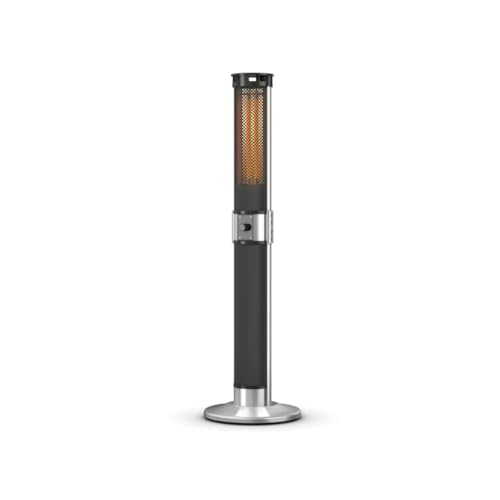
Propane: These heaters are powered by tanks of 20 pounds of propane that can be easily filled at all convenience stores and gas stations. They produce more heating than an electric heater, but they may require that an gas line be laid. They can be freestanding or fixed to a structure, such as a deck, fence, pergola or gazebo.
Some free-standing models have adjustable heat settings, which is ideal for guests who require a greater or less intense degree of warmth. If you're considering a free-standing propane patio heater, make certain to select a model with a spark arrestor, as they are designed to decrease the risk of fires due to uncontrolled combustion of flammable materials.
Safety
While patio heaters add comfort and increase outdoor enjoyment, there are important safety measures to keep in mind. Keep the heater at least 3 feet away from items that could ignite, such as potted plants and furniture. Also, it's recommended to place a protective mat underneath the heater, especially for decks made of wood.
The kind of heater you are using and the fuel source it uses will determine the safety precautions you should take. For instance propane gas patio heaters are generally capable of warming a larger area than electric models, however they require regular refills of the tanks, and may cause carbon monoxide accumulation. It's also important to select one with features such as an anti-tilt switches and automatic shutoffs to reduce the possibility of the possibility of a fire.
Apart from the different types of heaters, the method they are put in place and used also determines their safety. While a lot of patio heaters have safety features built-in it is recommended to follow the directions of the manufacturer for optimal performance and security. Bromic offers a range of mounting options for heaters that are mounted on the ceiling or walls. There are also longer mounting poles for hanging patio heaters which provide the ideal safe distance from ceilings and walls as well as fabrics such tablecloths and awnings.
Freestanding heaters should be secured or weighted to prevent them from tipping over. Strong winds can cause heaters to overturn or shift when they are not, which can pose the risk of fire or causing injury. If you live in a region which is susceptible to frequent gusty winds, consider using sandbags or bungee cables as anchors for your heaters on patios.
It is recommended to keep a fire-extinguisher near your heater, regardless of fuel type. It is essential to select the correct class of extinguisher according to the fuel used by your heater (Class B for electric, Class C for gas, or a multi-purpose one for both). Of course, never leave a heater unattended when it is in use, as accidents can happen.
Maintenance
Incorrect maintenance and usage procedures are the main cause of problems with patio heaters. However, you can prevent the majority of these issues by following the basic usage and maintenance best practices. Clean the heater frequently with an anti-abrasive soap and an air hose to clean the ventilation holes.
Never use an extension cord for a patio heater. Connect the heater to an electrical outlet. An extension cable can overload circuits, causing electrical fires. You should also keep the heater from combustible items like curtains and wood.
You may have a leak if your propane patio heater is always shutting down. A professional should check the gas line at least yearly for clogs and leaks.
Propane patio heaters must be stored in a dry, cool space free of wind and rain. During storage, you should disconnect the propane tank (it must be empty for storage in the long term) and wrap the tank in a protective cover. When not in use the heater should be placed in a well ventilated area or under a protective canopy. This will help prevent rust and corrosion. It also helps prevent it from tipping over.